

Natural wine — what it is and why we serve it
We don't serve natural wine at Pijalni because it's trendy. We serve it because it tastes like nothing else — alive, changing, full of character. Every bottle is someone's story.
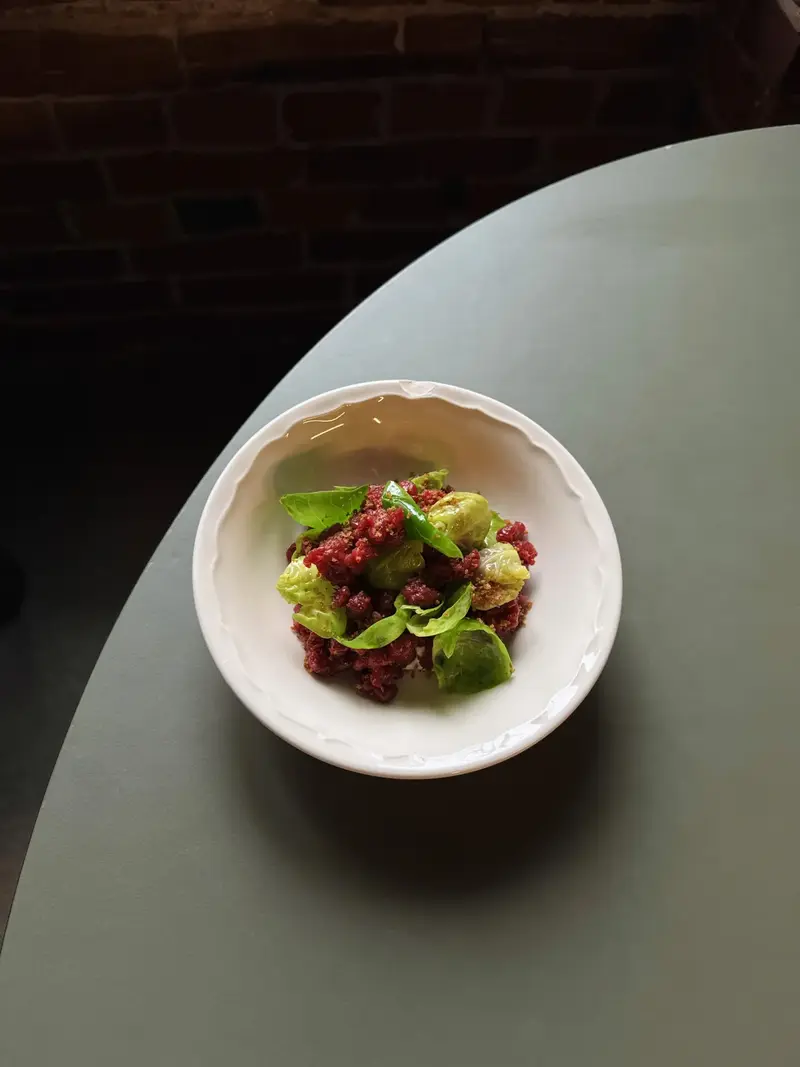
Wine without makeup
Natural wine is wine made the way it's been made for thousands of years — from grapes and nothing else. No industrial yeasts, no acidity regulators, no coloring agents, no artificial tannins, no excessive sulfites. Organically or biodynamically grown grapes, hand-picked, fermented with indigenous yeasts.
It's not a dogma. It's a philosophy: let the vine and the terroir speak in their own voices. A wet vintage and a dry vintage will produce different wine — and that's exactly the point.
Minimal intervention, maximum character
The producers whose wines we stock at Pijalni work with living soils. No herbicide sprays, no synthetic fertilizers. There's grass growing between the rows, flowers blooming, insects thriving. The vines have to reach deep with their roots — and that's precisely what gives the wine depth.
In the cellar — the minimum. Indigenous yeasts (those living on grape skins and in the winery air), spontaneous fermentation, no filtration or very light filtration. Sulfites — zero or trace amounts before bottling. The result? Wine that lives in the bottle. Changes day to day after opening. Every bottle is slightly different.
Why natural wine at Pijalni?
Because it matches what we do in the kitchen. We cook with seasonal, local products — change the menu with the seasons. No shortcuts. Dominika selects wines the same way: from small producers who respect their raw material and don't cut corners.
We import mainly through Geek Wines — one of Poland's best natural wine importers. Dominika knows many producers personally. She spent time at Domaine Chapel in Beaujolais, working the harvest and winemaking. This isn't book knowledge — it's dirty hands and fermenting must.
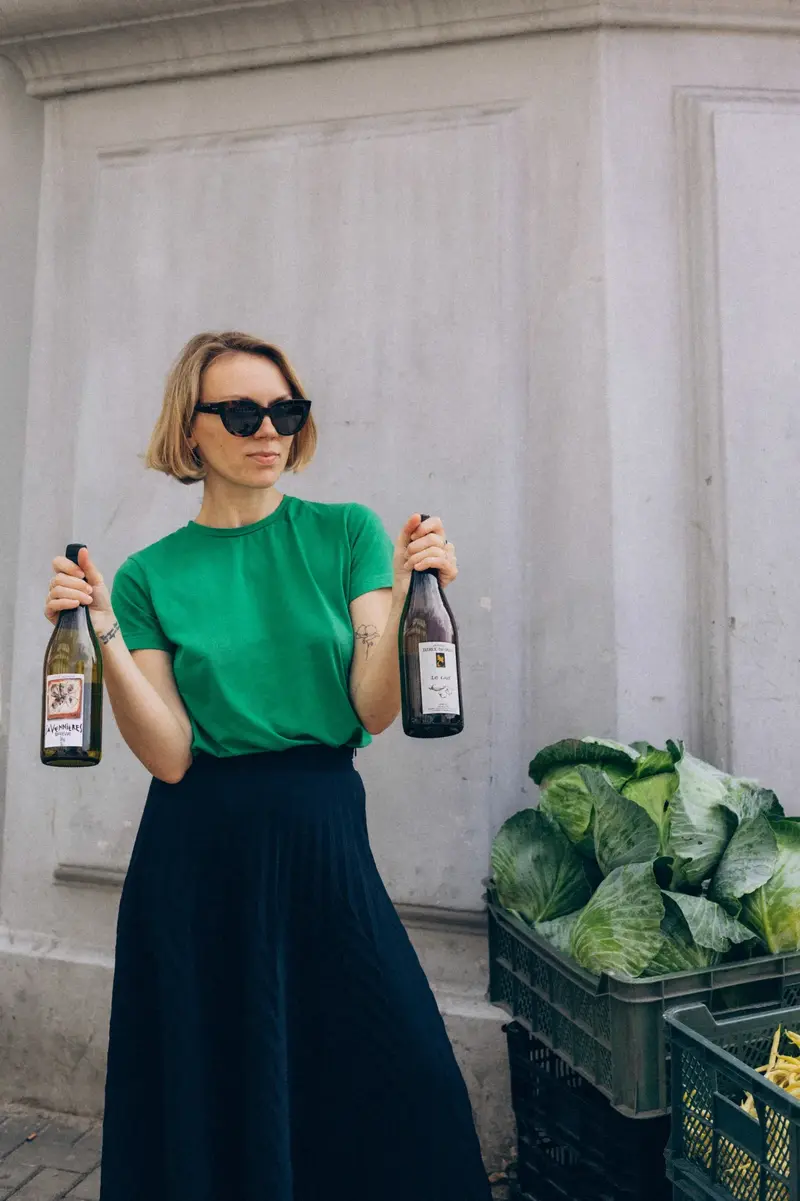
Cloudy, fizzy, weird? Yes. And fantastic.
Natural wine can be cloudy — because it's unfiltered. It can be fizzy — because it's alive. It can be different from what you expect — because it's not standardized. If you come for predictability, this isn't the place. But if you come for adventure in a glass — sit down and get comfortable.
At Pijalni we have wines by the glass thanks to the Coravin system (which lets us pour wine without uncorking the bottle). That means you can try a Chenin Blanc from the Loire, a Pinot Noir from the Mosel, and an orange wine from Friuli — all in one evening, one glass at a time.
Living wine first
We don't serve wine because it's natural. We serve it because it's good. We believe — like many French, Italian and Georgian producers — that working without herbicides, without chemicals in the vineyard, with living soil and wild yeasts simply makes better wine. Wine that tastes like the place it comes from. That's why we support this philosophy — not because it's fashionable, but because we're convinced.
But natural doesn't mean uncritical. Every bottle is opened and tasted by us before it reaches your glass. Wine with a fault — vinegar smell, volatile acidity, uncontrolled brett — doesn't get served, regardless of the producer. You shouldn't have to wonder whether what's in your glass is intentional or accidental. At Pijalni, every wine is exactly what it should be.
Common questions
What is natural wine?
Natural wine is made with minimal intervention — from organically or biodynamically grown grapes, fermented with indigenous yeasts, with no chemical additives and minimal (or zero) added sulfites. The idea is simple: let the grape and the terroir speak for themselves.
Is natural wine better than conventional wine?
It's not about better or worse — it's a different philosophy. Natural wine reflects the terroir and vintage without correction. It can be more variable, but it's authentic. For many people, it's simply more alive and interesting. For others, it's too unpredictable. Best to try and decide for yourself.
Why is natural wine more expensive?
Small production runs, hand harvesting, no pesticides or chemical additives — all of that raises costs. Add limited supply and growing demand. But at Pijalni, a glass starts at 22 PLN (about €5), so the barrier to entry is low.
How should I store natural wine?
In a cool, dark place — ideally 12–16°C (54–61°F). Natural wines tend to be more sensitive to heat than conventional ones, so a fridge (short-term) is better than the kitchen counter. Finish an open bottle within 1–2 days — the changing flavors hour by hour are part of the charm.
What is pet-nat?
Pet-nat (pétillant naturel) is a sparkling wine made using the ancestral method — the oldest known way to make bubbles. The wine finishes fermentation in the bottle, producing natural carbonation. Light, fruity, often cloudy. The perfect aperitif — we always have a few on the list.
Natural wines you can try right now
A few favourites currently on our by-the-glass list:
Chiroubles, Domaine Chapel / Beaujolais 2023 (Gamay, 245 PLN) — Dominika's favourite Beaujolais producer. She harvested here. Light, cherry-forward, chillable. Anjou Blanc, Le Clos des Treilles / Loire 2024 (215 PLN) — taut Chenin: mineral, dry, excellent with fish. Malvasia Blue Label, Nando / Goriška Brda, Slovenia 2022 — skin-contact white from the Italian-Slovenian border. Orange wine at its most approachable.
The by-the-glass selection rotates weekly. See the full list →
Go deeper
Savoie, Jura, Jurançon — French regions where the most exciting natural wines are made. Alpine grapes nobody's heard of.
Jacquère, Savagnin, Gamay and more — the grape varieties we serve, each explained by Dominika.
Want to taste? Blind tasting — every other Thursday. 6 wines, no labels, one grape, four regions. The best way to discover natural wine. 190 PLN/person.