From Barcelona via Dinette to Pijalni
Tomek Wencek cooked at Albert Ventura's Coure and Michelin-starred Alkimia in Barcelona, ran one of Wroclaw's best restaurants, then disappeared for five years. Now he's at Pijalni.

Barcelona
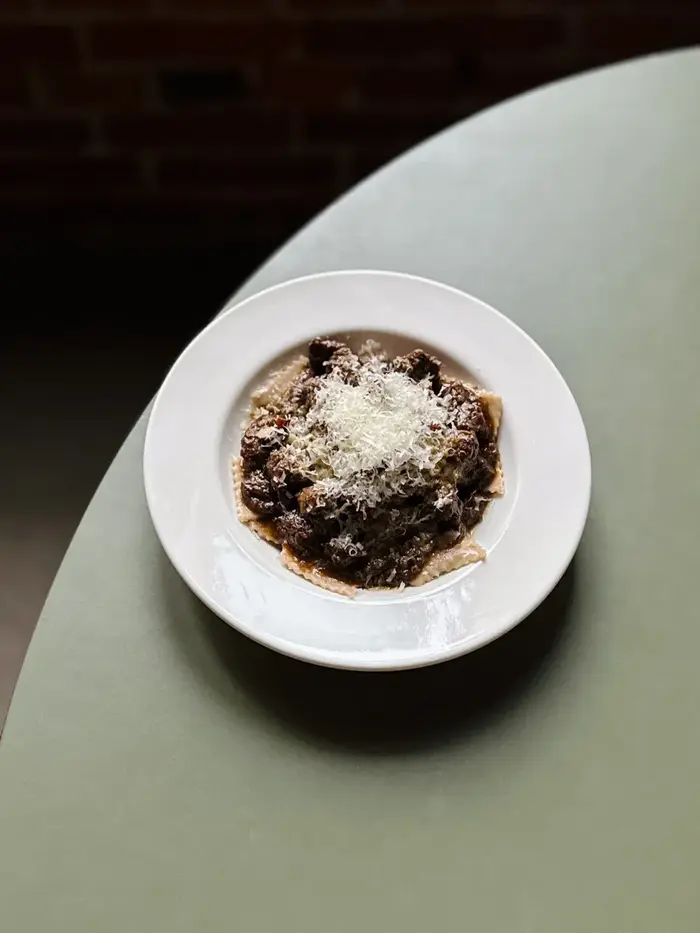
It's a Wednesday evening. Tomek is hunched over a cast iron pan, watching beef cheeks that have been braising since morning. Outside the window, a quiet stretch of Wroclaw's Grunwald district. But to understand how he got here, you need to go back more than a decade — to Barcelona.
Coure — Albert Ventura's restaurant in the Sant Gervasi district. No Michelin star, by Ventura's own choice — when the inspectors put it on the conditional shortlist, he renovated everything except what they were waiting for and walked away from the process publicly. A kitchen where nothing is approximate. Every plate goes out exactly as the chef planned, or it doesn't go out at all. Tomek arrived young, without much experience, and the place shaped him. Not just the technique, though he learned that too. The discipline. The respect for service. The fact that if thirty guests order the same dish, every portion has to be identical.
After Coure he moved to Alkimia — a Michelin-starred restaurant rooted deep in Catalan tradition. Here the focus was on understanding where food actually comes from. What grows in the region, why certain flavour combinations have existed for generations. Alkimia taught Tomek patience with the product.
And then there were his days off. Tomek would drive south to Italy. He ate at small trattorias where a dish is three ingredients — pasta, sauce, cheese — and each one has to be the best you can find. That still shapes how he cooks today.

Dinette
He came back to Wroclaw and took the Chef de Cuisine position at Dinette. A bistro that was, at the time, one of the best addresses in the city — ranked 54th out of over a thousand restaurants on TripAdvisor, Michelin Recommended.
Dinette was and is a great restaurant. Tomek built its kitchen over several years. What he learned there — beyond the technique he'd brought from Barcelona — was that with truly good produce, you don't need to do much. Fresh fish from the morning catch. Vegetables from a farmer three kilometres away. Sourdough bread baked that day. The discipline from Ventura plus simple, excellent product. That was enough.
He left Dinette after helping build its reputation. There was no drama in it — he simply felt he'd done what he could there.

The break
Then Tomek disappeared from professional kitchens for five years. It wasn't retirement. It wasn't rest. It was redirection.
He worked as a private chef — Wroclaw, Berlin, Dresden, Leipzig. Cooking for people in their homes, at private dinners, at events. A different scale, a different kind of contact with the people eating his food. No sixty-cover service, just face-to-face with someone you're cooking for right now.
During those same years he co-founded Fundacja Mniej Wiecej — a foundation focused on food waste and cooking for people who need it. For Tomek this isn't PR. It's a conviction that food gives people strength and dignity, and that a chef has skills that can actually help.
Over those five years the question kept coming back: does he want to return to a professional kitchen? And if so — on whose terms?
Pijalni
The answer came when Dominika Szpakowska was looking for someone to run the kitchen at Pijalni. Twenty-five seats. An open kitchen. No investors, no complicated hierarchy. And a wine programme that the food needs to complement — not the other way around.
Tomek knew this was it. A small kitchen where he could cook his way. Fire — grill, cast iron, open flame. Season — whatever's available from local suppliers right now, not what's convenient. Simplicity — three ingredients on the plate, but each one has to be right.
The partnership with Dominika works both ways. She selects wines to match his dishes. He thinks about food that doesn't overwhelm the wine. It's not a tasting menu with pairings — it's a kitchen and a bar that understand each other without needing to explain.

How he cooks today
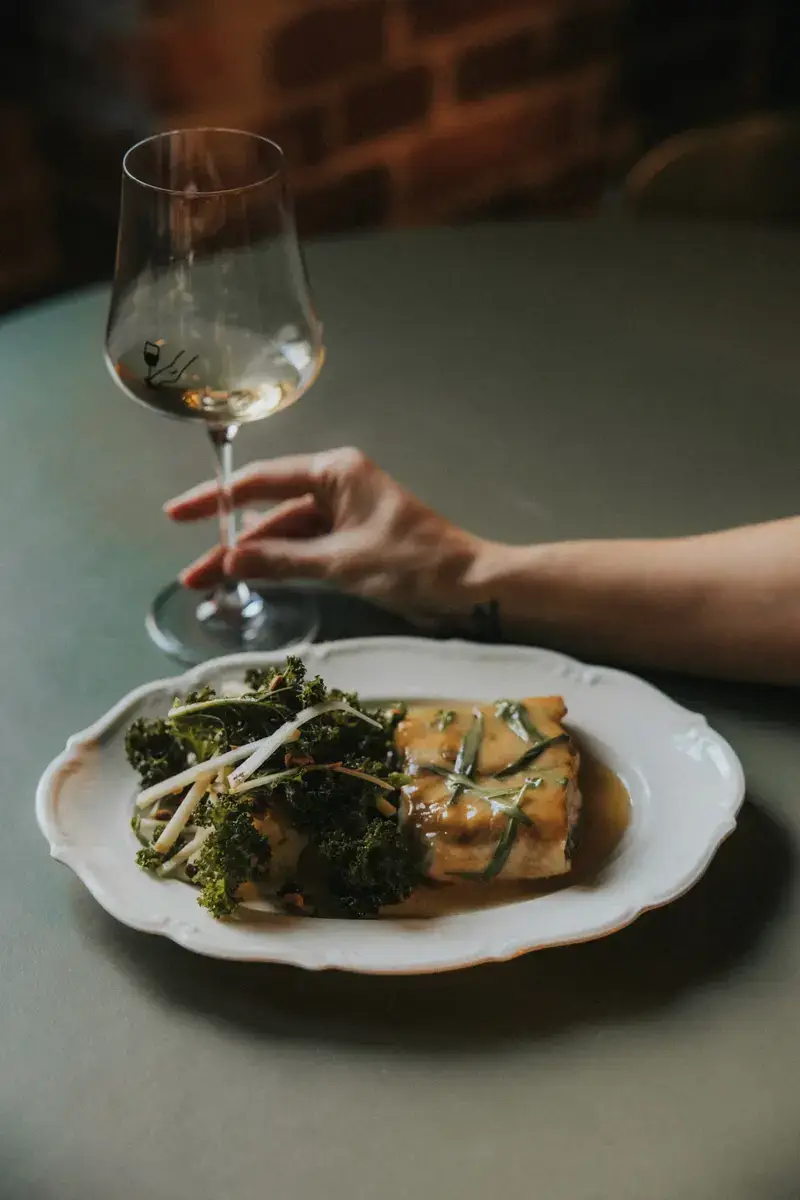
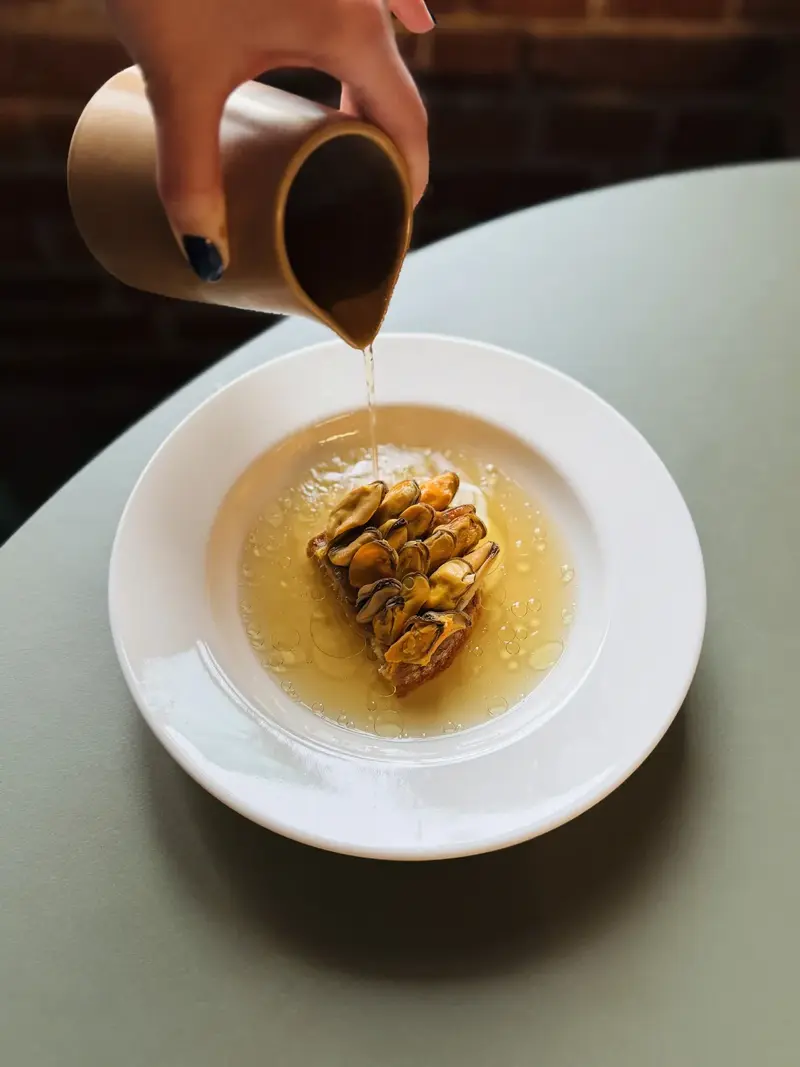
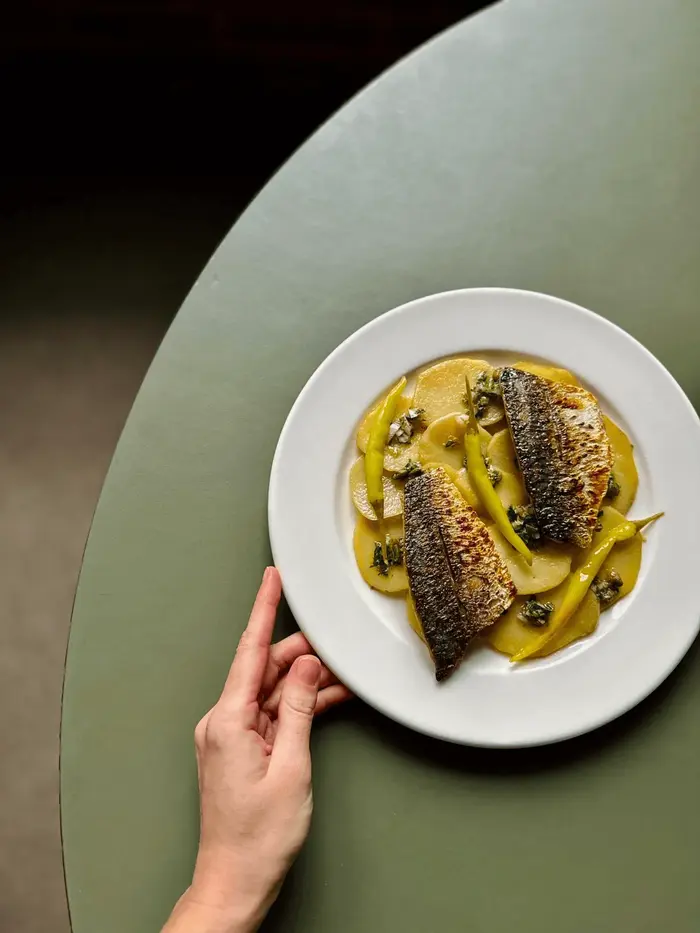
The menu at Pijalni changes with the seasons. Tomek works with what's in season. When the asparagus is gone, it's gone. When pumpkin comes in, pumpkin comes in. Beef cheeks braised for eight hours. Grilled vegetables that taste like vegetables because they're fresh and local. Fish from the morning, not from a freezer.
The inspiration? Southern Italy and what he learned at those trattoria tables. Simplicity that demands the best product. No molecular techniques, no foam sauces. Fire, product, time.
Tomek speaks Polish, English, and Spanish. If you sit at the bar, he'll probably talk to you.